
A quality sofa or bed is an important investment, meant to last over time. Yet, some seemingly harmless daily habits can compromise their appearance and functionality much sooner than expected. The good news? With our guide to proper maintenance of sofas and beds, you can preserve the beauty and comfort of your furniture for many years.

Rock sofa bed, fully removable in fabric and eco-leather.
Taking care of your furniture over time
Every small gesture counts: airing out the room, vacuuming regularly, and acting quickly on stains. These are not complications, but simple routines that, integrated into daily life, protect your investment and ensure lasting comfort. Moreover, the initial choice of upholstery suitable for your lifestyle is just as crucial: a fabric in line with your needs requires less maintenance effort and better withstands daily use.
Choosing the Right Upholstery
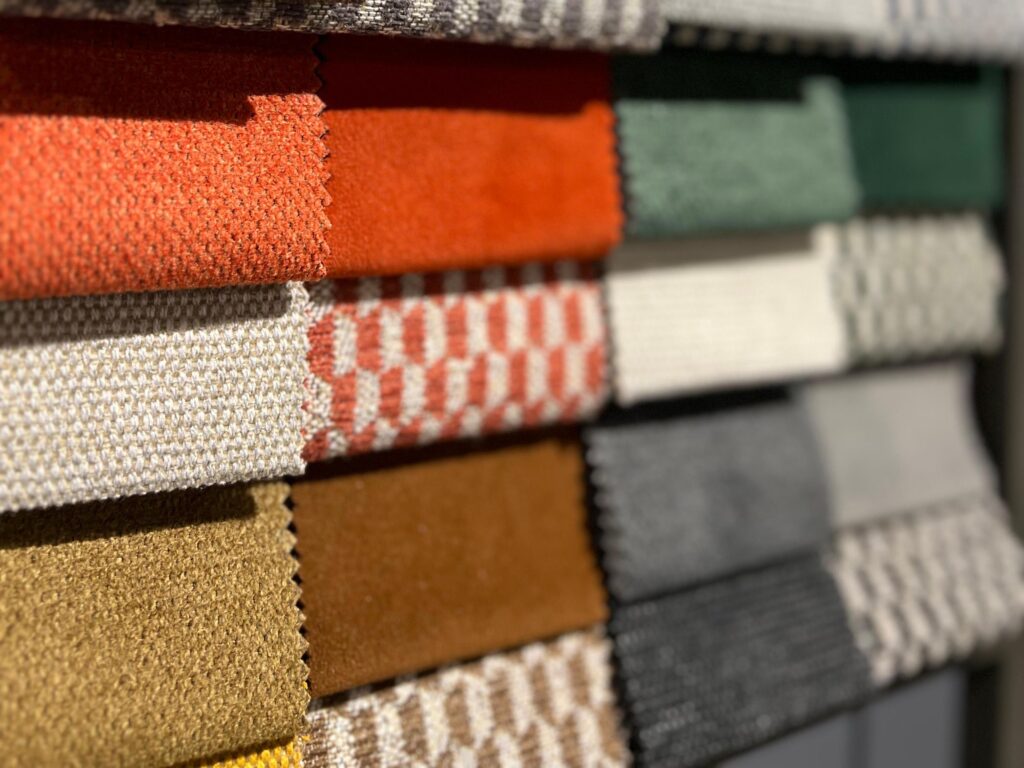
Samoa offers a wide range of upholstery fabrics for its sofas, beds, and armchairs.
The choice of upholstery directly influences the necessary maintenance and the durability of the sofa.
Here’s a comparison of the most common fabrics:
- Natural fabrics (e.g., cotton): offer breathability and comfort but require delicate care and are more vulnerable to stains. Ideal for those who want natural textures and have time to dedicate to maintenance.
- Synthetic and blended fabrics (polyester, acrylic): provide greater resistance to stains and wear, require less maintenance, and retain color better over time. Perfect for families with children or pets.
- Microfiber: offers an excellent balance of softness, durability, and ease of cleaning. Particularly suitable for intensive use.
- Velvet: Elegant and tactile, but requires attention: signs of use are more evident, and cleaning must be gentle.
The section of our website dedicated to fabrics and upholstery offers a wide range of options, with precise indications on the characteristics and maintenance of each material. Many covers are removable, allowing periodic washing that completely renews the appearance of the sofa. Others feature stain-resistant treatments that make it easier to remove liquids and dirt.
A conscious choice of upholstery, combined with the right maintenance habits, can double or triple the actual lifespan of your sofa or bed.
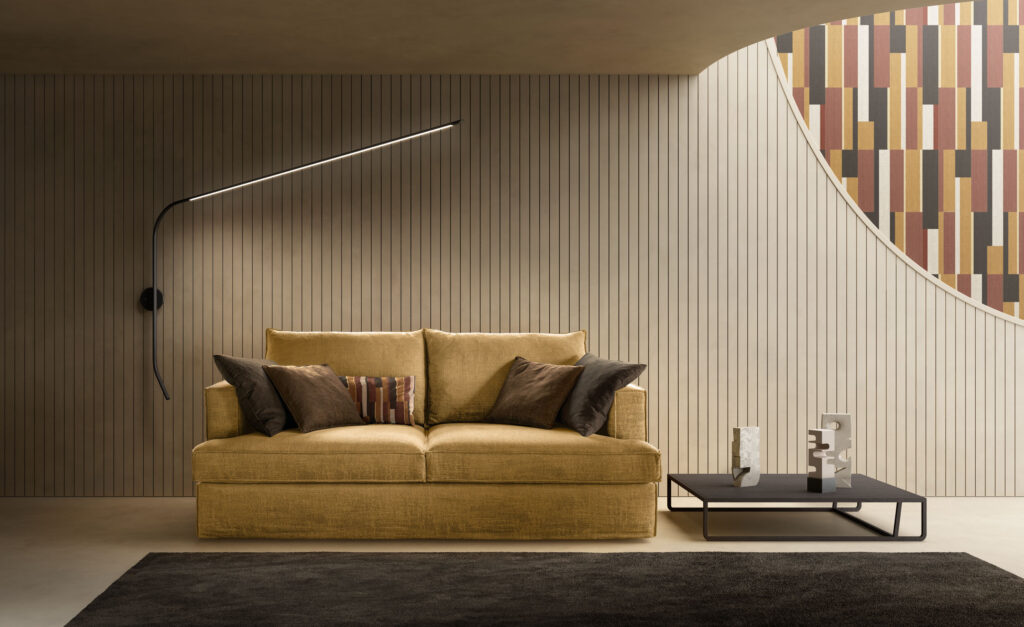
Glammy sofa, upholstered with water-repellent Nuvole fabric.
Maintenance calendar: organizing care over time
To simplify maintenance, here is a calendar summarizing the recommended activities:
Daily:
– Remove cushions and air out beds
– Check and immediately remove any stains
Weekly:
– Vacuum sofas and armchairs with a fabric accessory
– Rotate sofa cushions, where possible
– Fluff decorative cushions to redistribute filling
Biweekly:
– Vacuum mattresses
– Deep clean the gaps between cushions
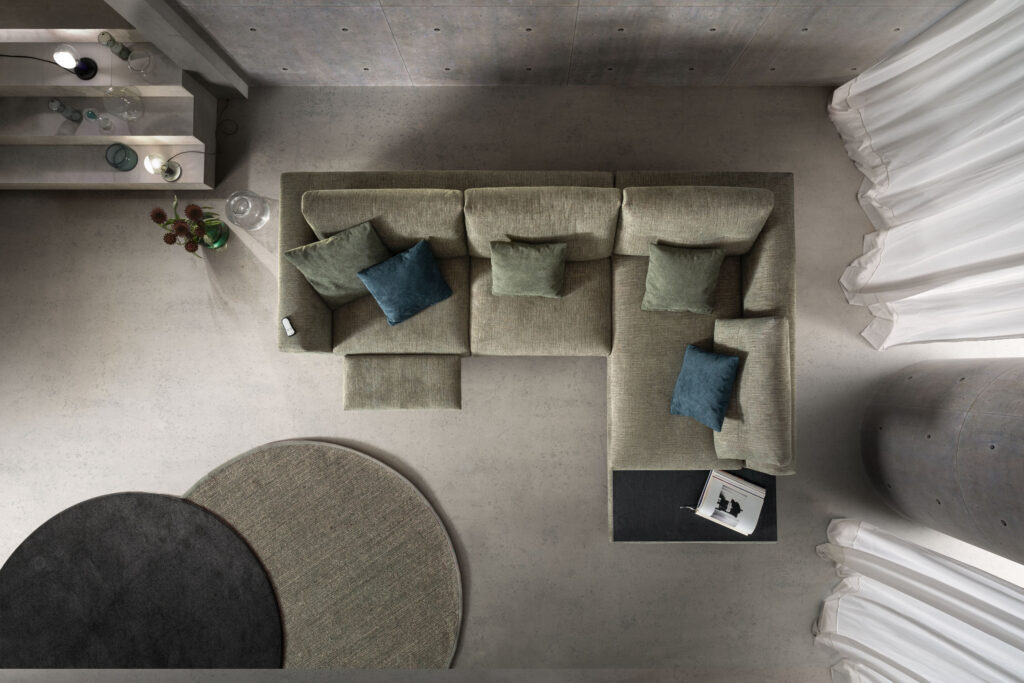
Dafne sofa, with back cushions in sterilized goose down and polyester fiber divided into compartments.
Monthly:
– Rotate the mattress (head-to-foot)
– Inspect seams and fabrics for small damages
Quarterly:
– Flip the mattress (top-bottom, if applicable)
– Deep clean with specific fabric products
Annually:
– Wash removable covers
– Remember to cover velcro with the appropriate protector and wash covers with zippers closed, to protect both velcro and zippers
– Consider if professional cleaning is necessary
A regular schedule prevents the accumulation of dirt and damage, keeping sofas and beds always in optimal condition
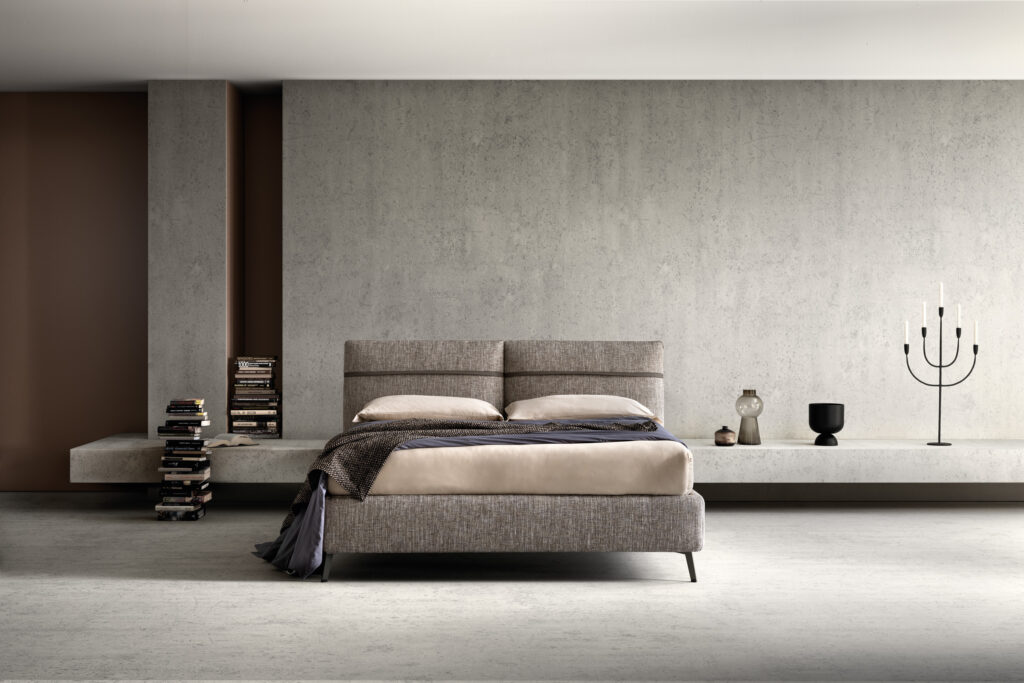
Chop bed, with fully removable cover in fabric, leather, and eco-leather.
The 10 habits that shorten the life of sofas and beds
1. Sitting or lying down with dirty or damp clothes
Dirt and moisture transfer into fabrics, creating stains, bad odors, and promoting mold.
Solution: change clothes before sitting, change bed linen every 7–10 days, and choose removable Samoa covers.
2. Not airing out rooms daily
Humidity settles on sofas and mattresses, causing mold and persistent bad odors.
Solution: open windows for 10–15 minutes every morning and leave the mattress uncovered for 30 minutes after waking up.
3. Eating and drinking carelessly
Crumbs and liquids create permanent stains, especially coffee, wine, and juices.
Solution: use trays and coasters, blot stains immediately with a white cloth. Samoa stain-resistant fabrics offer extra protection.
4. Prolonged exposure to direct sunlight
UV rays cause irreversible fading and weaken fibers.
Solution: place sofas and beds away from windows or use filtering curtains and UV films.
5. Neglecting vacuum cleaning
Dust and mites penetrate fibers, causing a dull appearance and allergies.
Solution: vacuum the sofa weekly and the mattress every two weeks with a fabric accessory.
6. Jumping or putting excessive stress on the structure
Excessive stress deforms springs, padding, and causes structural failures. Do not force mechanisms or parts not designed to support a person’s weight, such as armrests or fully extended relax systems.
Solution: educate on proper use, sit distributing weight evenly, avoid jumping.
7. Using unsuitable cleaning products
Bleach, solvents, and alcohol alter colors and irreversibly weaken fibers.
Solution: use only neutral products for upholstery fabrics, always test on a hidden area. Always apply cleaning products to a cloth, never directly on the cover. See instructions for Samoa fabrics.
8. Dragging a bed or sofa to move them
When moving furniture, it’s important to lift it, not only to protect the floor but also to avoid damaging the feet or their attachments.
Solution: carefully lift beds and sofas even for small moves within the room.
9. Ignoring small initial damages
A pulled thread or open seam quickly expands into costly damage.
Solution: inspect periodically, repair small tears immediately, contact an upholsterer for complex damage.
10. Not protecting from pets
Claws, hair, and accidents damage fabrics and leave persistent odors in the padding.
Solution: trim your pets’ nails, brush them regularly, choose Samoa fabrics resistant to abrasion and tearing, vacuum frequently.
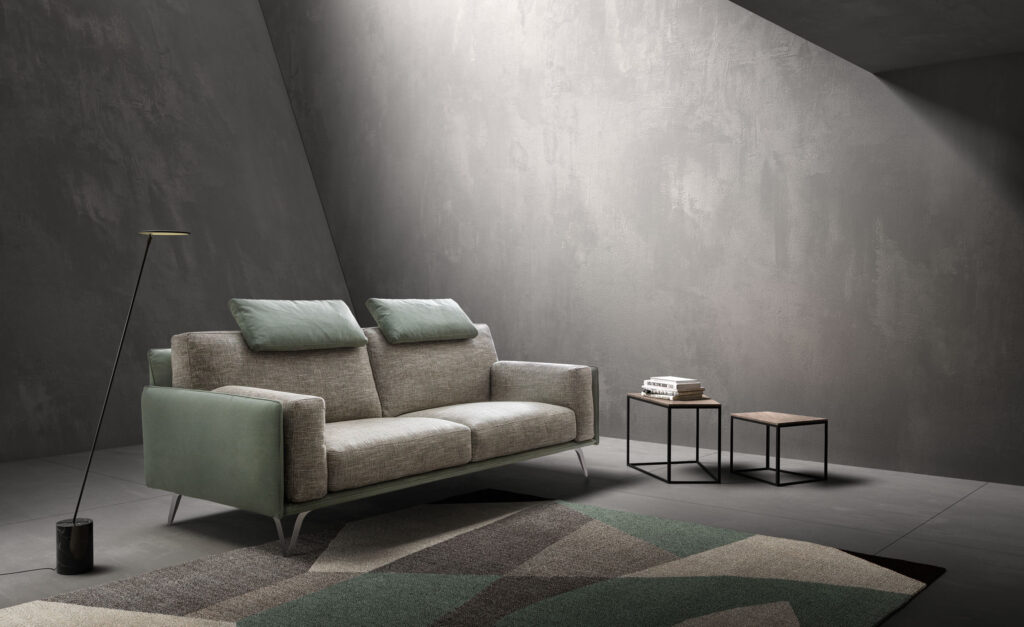
Living Minimal sofa, upholstered with Zoya fabric, resistant to abrasion and tearing.
How to remove the most common stains from upholstery fabrics
Stains require specific interventions depending on the substance:
Liquids:
- Blot immediately with an absorbent white cloth
- Do not rub, press gently to absorb
- Apply cold water from the outside toward the center of the stain
- Blot again until completely removed
- Let dry naturally
Greasy stains:
- Remove excess with a spoon
- Sprinkle with baking soda or talcum powder to absorb the grease
- Let sit for 15–30 minutes
- Vacuum the powder
- If necessary, use diluted neutral detergent
Organic stains:
- Blot with cold water (never hot, as it sets the stain)
- Use a specific enzymatic detergent
- Let act according to instructions
- Rinse by blotting with clean water
- Dry with an absorbent cloth
Golden rule: Always act within 5–10 minutes of the spill for optimal results.

Sound Fly sofa, fully removable in fabric, partially removable in leather and eco-leather. Roll and cushions in Planeta fabric, water-repellent and shrink-resistant.
How to clean leather and eco-leather upholstery
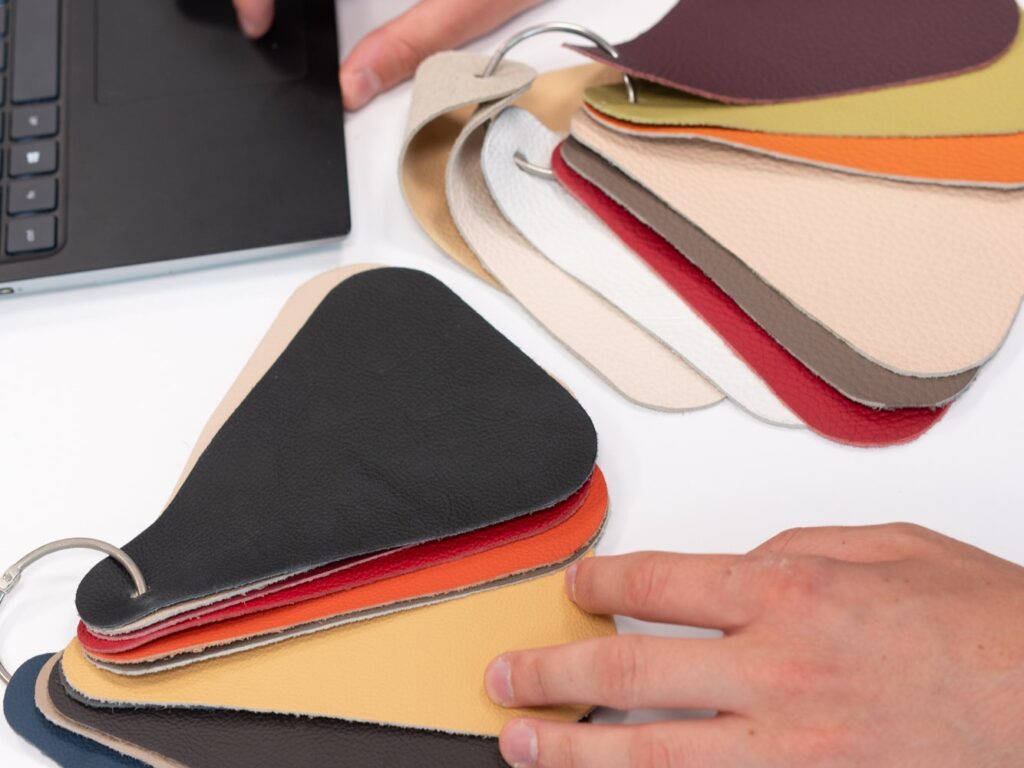
Leather and eco-leather upholstery require a different approach than traditional fabrics. The main difference between these two materials concerns their maintenance, which is actually simpler than you might think:
- Natural leather is more breathable and develops a beautiful patina over time but requires periodic conditioning.
- Eco-leather is more resistant to stains, does not need conditioning, and is easier to maintain, keeping a more uniform appearance over the years.
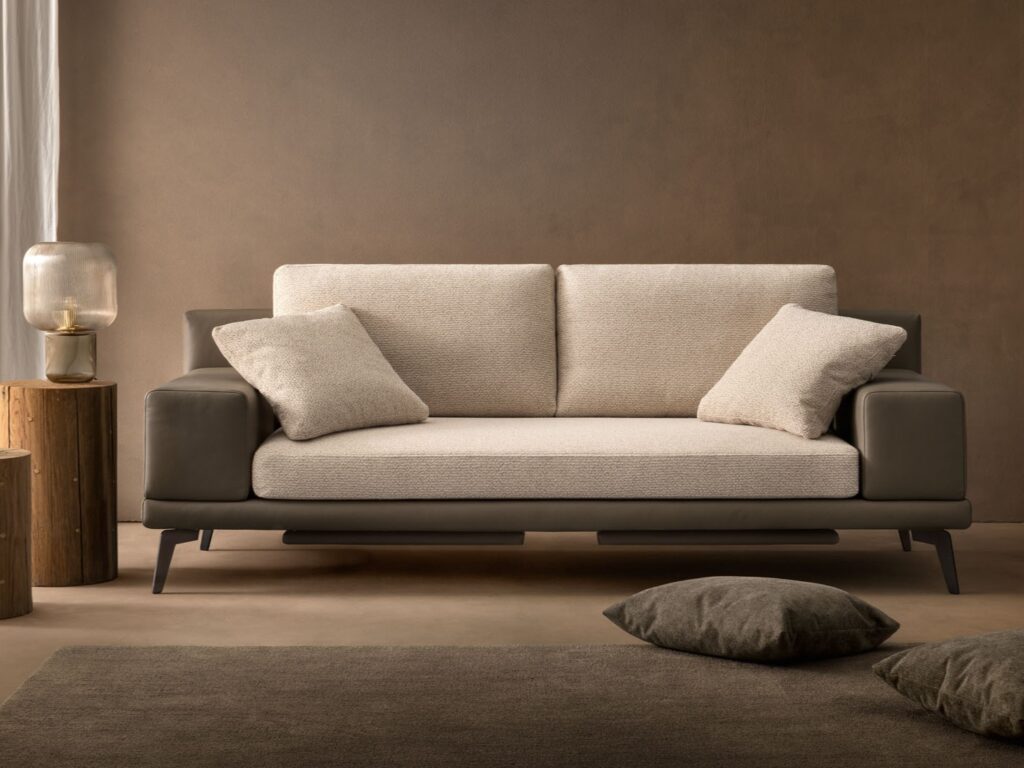
Wise sofa, with Nevada eco-leather shell and Shabby cushions.
For weekly routine cleaning, simply wipe the entire surface with a soft dry or slightly damp cloth, following the seams. Every month, spend a few more minutes on a deep clean: for eco-leather, prepare a solution of lukewarm water and neutral soap (Marseille soap works well), slightly dampen a soft cloth, and clean with gentle circular motions. For leather, use only specific products, such as the official kit provided by Samoa available from our retailers.
Natural leather also needs to be conditioned every 3–6 months to stay soft and supple: apply a specific product (creams, balms, or oils for leather) with a soft cloth, using circular motions, and let it absorb. Remove excess with a clean cloth. Eco-leather, on the other hand, does not require this treatment: regular cleaning is enough.
However, there are some things to absolutely avoid: never use products containing solvents, ammonia, bleach, or pure alcohol. Do not expose leather to direct heat sources to dry it faster, and do not apply non-specific oils or creams. Also avoid hard brushes or abrasive sponges that could damage the surface.
Samoa leather and eco-leather upholstery is treated to ensure greater resistance. With proper maintenance, natural leather can last 15–25 years, while quality eco-leather lasts 10–15 years.
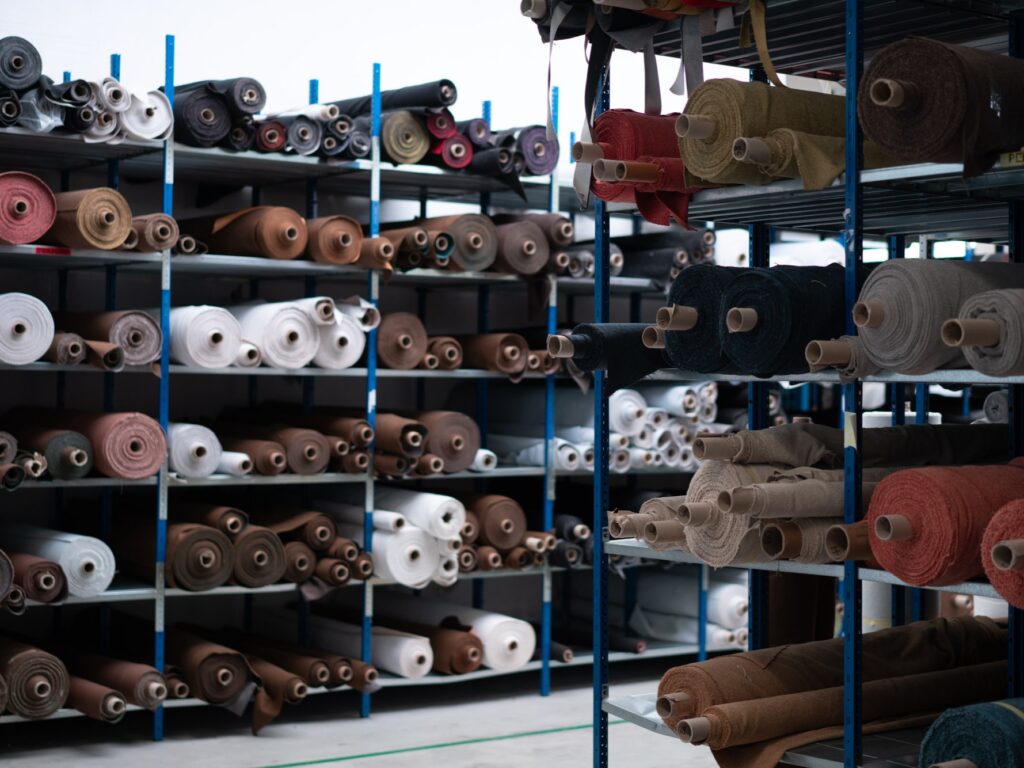
A selection of fabrics from Samoa’s wide range.
Proper maintenance of sofas and beds: Samoa's answers
Taking care of sofas and beds is not complicated: with the right habits and consistent attention, these pieces of furniture maintain their beauty and comfort for many years.
What is the most damaging habit for a sofa?
Neglecting regular cleaning and not treating stains promptly are the habits that cause the most extensive and hardest-to-repair damage. Preventive maintenance is always more effective (and economical) than trying to fix long-standing issues.
How can you choose the upholstery best suited to your lifestyle?
Consider your household composition, whether you have pets, how frequently the piece will be used, and how much time you can dedicate to maintenance. Samoa fabrics offer solutions for every need: natural fabrics for those seeking comfort and breathability, synthetic and technical fabrics for those who need durability and practicality, and removable covers for maximum versatility in cleaning. Additionally, if needed, you can order replacement covers through the store where you purchased your Samoa product.
Did you know that Samoa also offers a pre-washing service?
Samoa gives you the option to request fabric pre-washing before cutting. This is a very useful service to stabilize the materials and eliminate the risk of future shrinkage.
How often should sofas and beds be cleaned?
Vacuum sofas weekly and mattresses every two weeks. Perform a deep cleaning using specific products every three months. Wash removable covers according to the instructions, generally once a year or as needed.
Are removable covers more practical?
Yes, they allow for a thorough, periodic wash that completely refreshes the sofa. They also make it easier to handle stubborn stains and ensure deep hygiene that is difficult to achieve with surface cleaning alone. Many Samoa collections offer this option, combining practicality and aesthetics.