
Rather than a limit, a compact room is an opportunity to focus on the important things and create a functional and stylish space. The key to everything is your strategy: every item of furniture, colour and light source must make the space seem bigger not smaller.
Essential furniture for reduced spaces
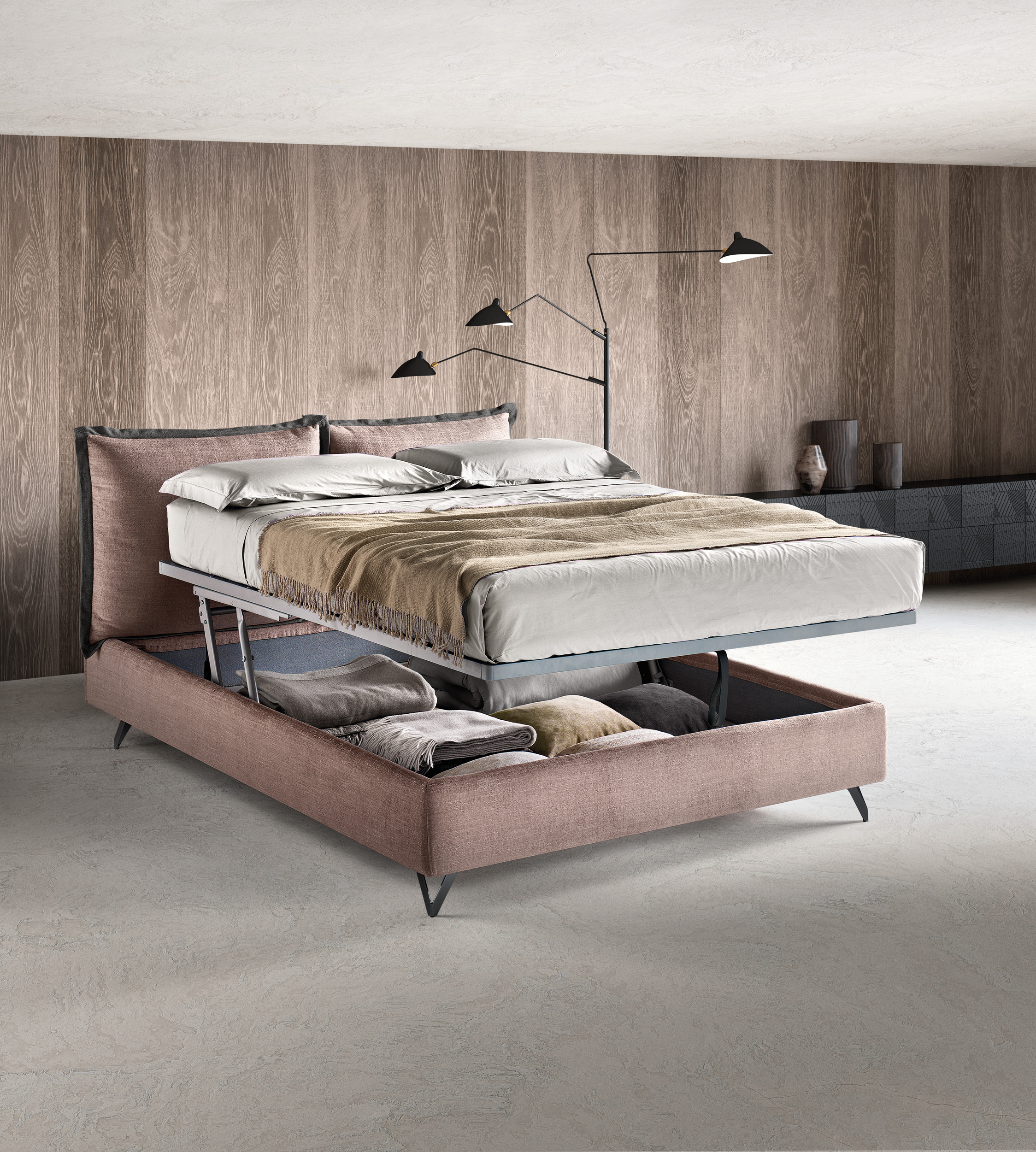
Wisp model, bed with storage compartment.
Depending on the type of room, the minimum recommended sizes are:
- Single bedroom: 9 m²
- Double room: 14 m²
- Studio flat: 18 – 20 m²
- Study/home office: 8 m²
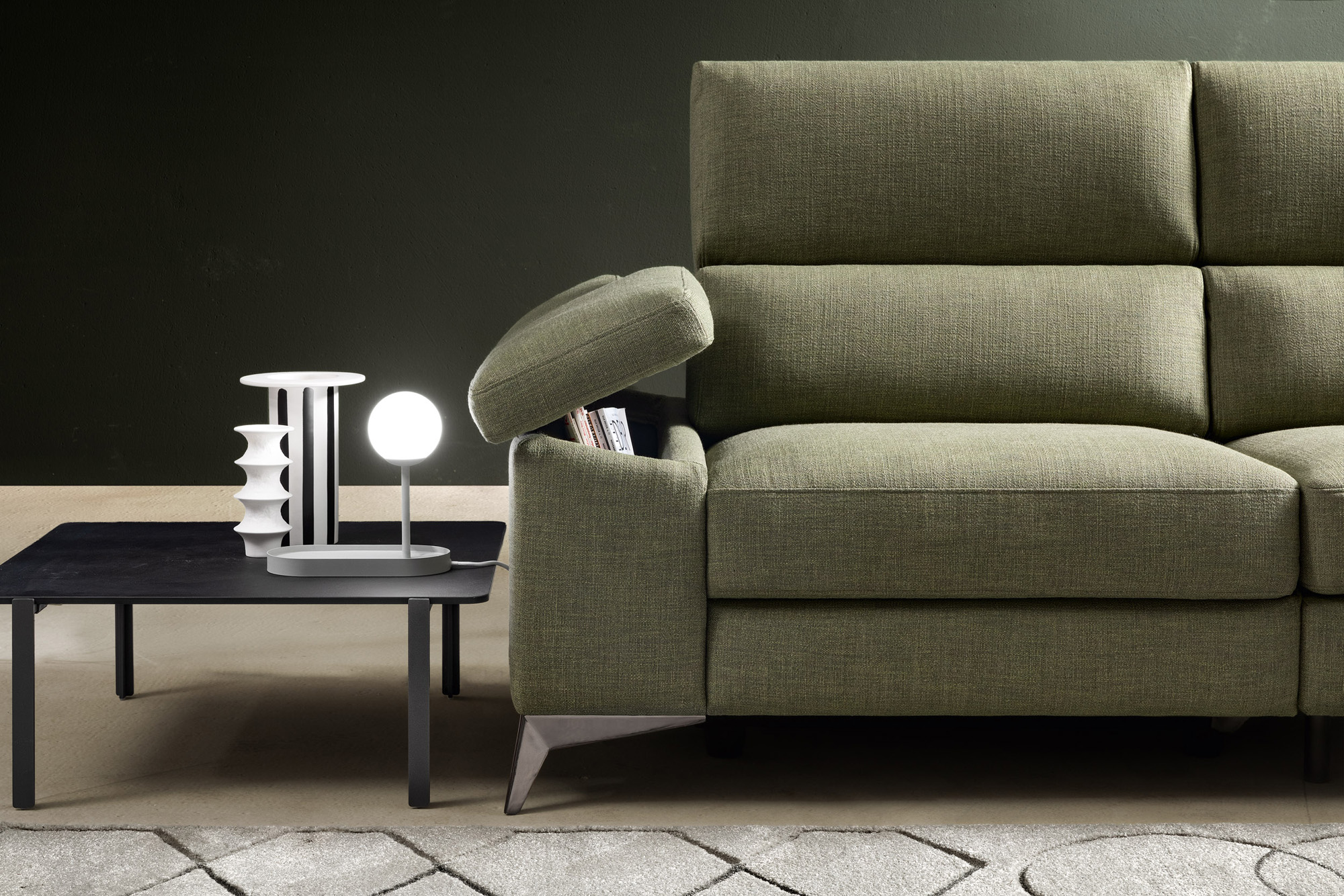
Relax collection – Space Look model with armrest storage compartment.
To guarantee the circulation of air, always leave 60-80 cm between pieces of furniture. Choose multifunctional furniture that serves different purposes:
- Sofa beds or convertible beds: ideal for studio flats or multipurpose bedrooms.
- Folding tables or extending console tables: these are extended only when necessary, saving up to 70% of the space when closed.
- Vertical storage compartments: wall-mounted bookcases, floor-to-ceiling cupboards and wall shelving exploit the full height of the room without occupying floor space.
- Underbed storage compartments: recover up to 3.5 m2 of unused space.
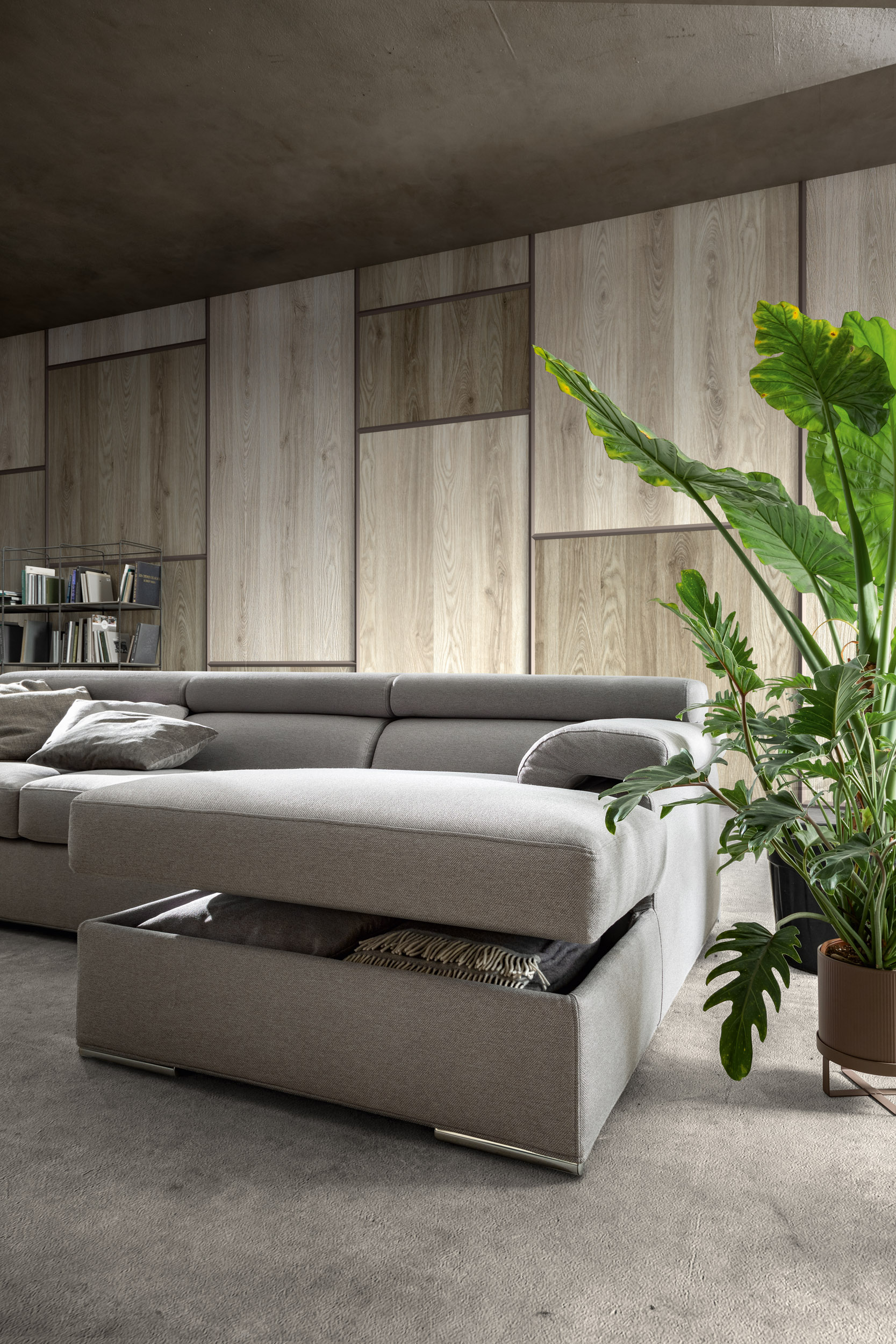
- Storage pouffes: extra seats with hidden internal spaces.
-
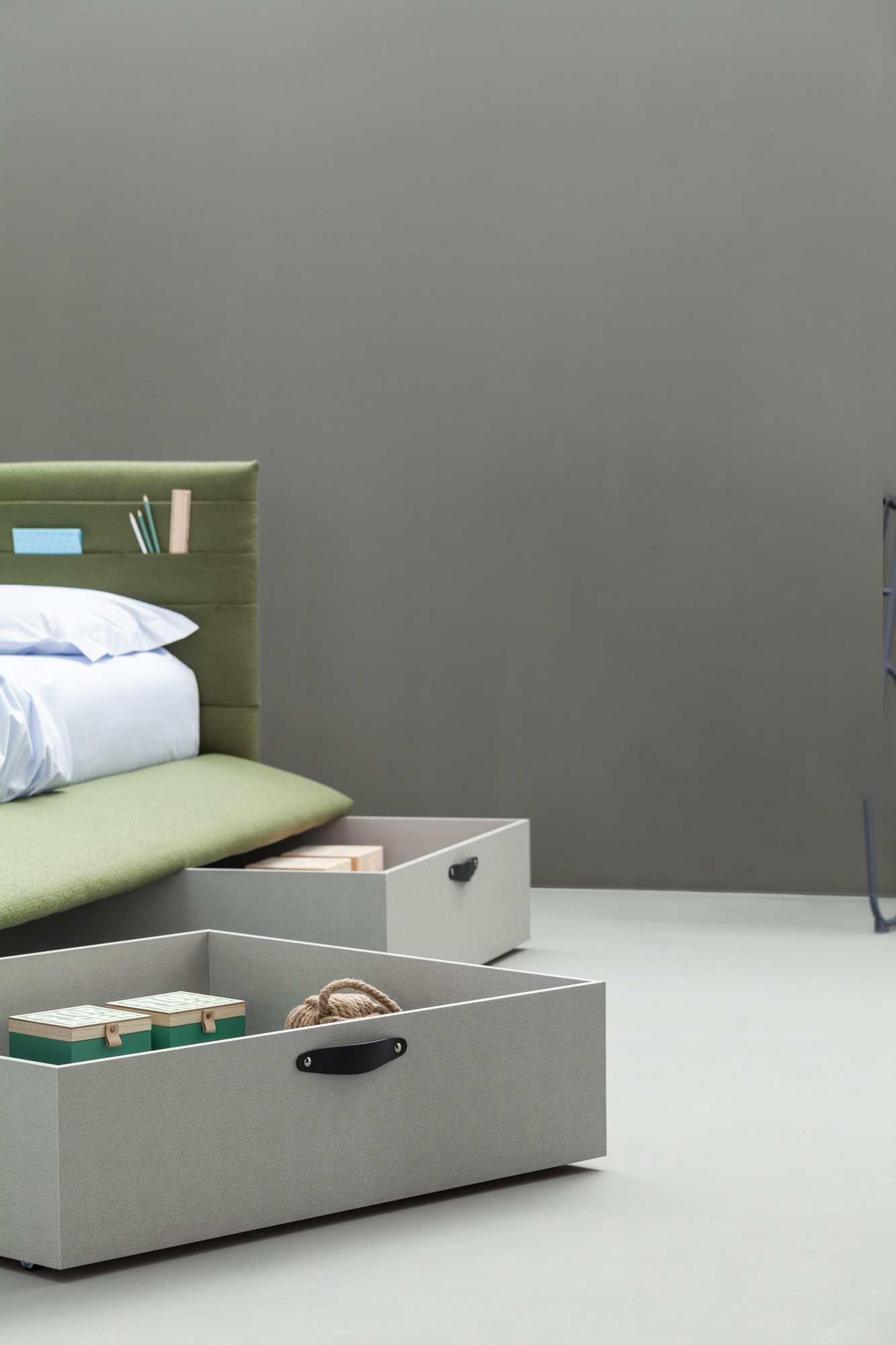
- Collezione Match Bedroom Space – Modello Pocket
-
- Collezione
Choosing the right sofa for a small room
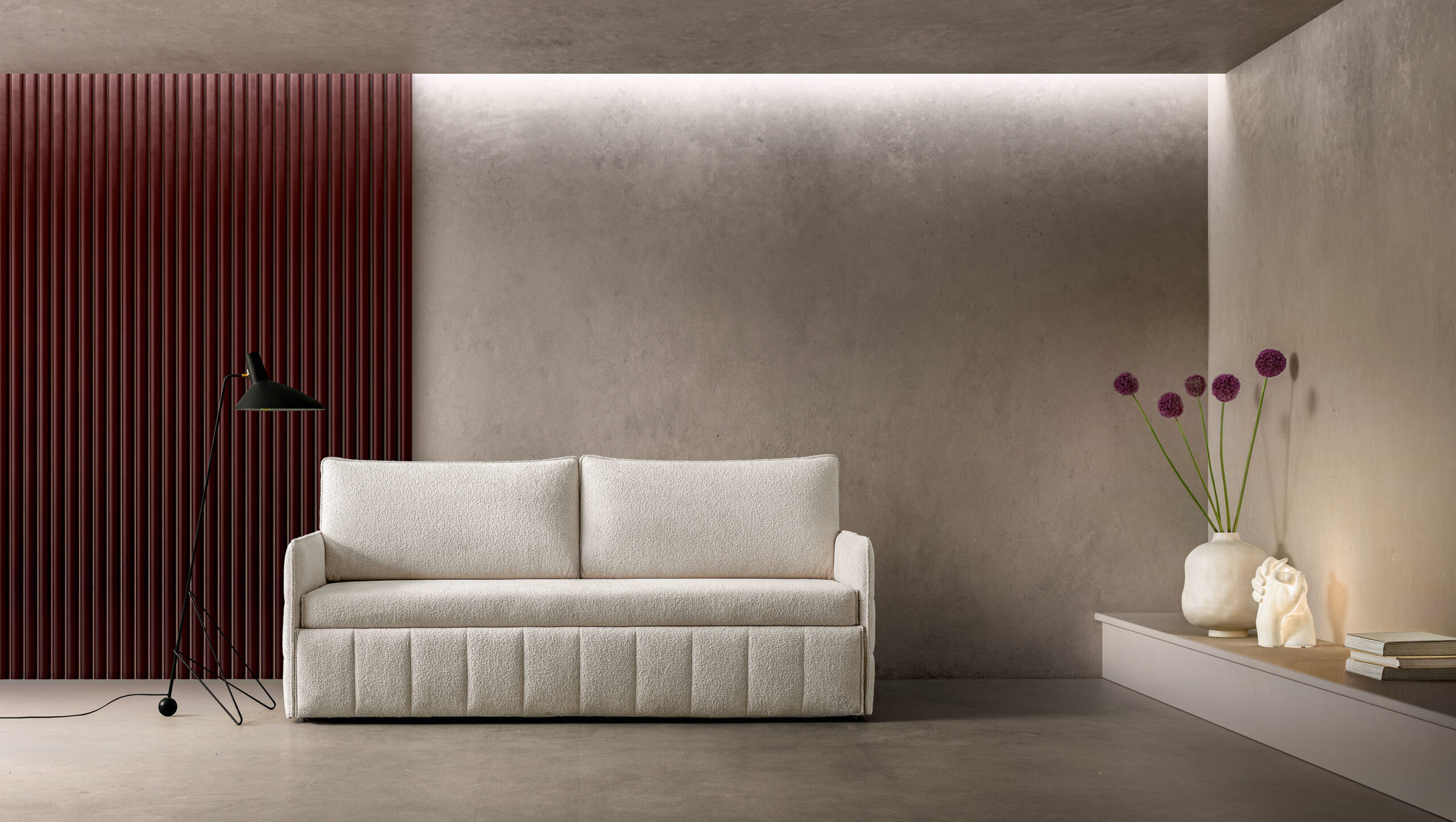
Metamorfosi collection – City model
Metamorfosi collection – City model The choice of sofa in a small room influences the perception of the space. If the sofa is too large it risks visually dominating the room, while a correctly proportioned one is able to create the right balance. But what are the key factors to consider when buying a sofa for a small room?
-
- Optimum dimensions: in rooms of less than 15 m2, opt for two-seater sofas (140–180 cm) or compact corner sofas.
- Height of backrest: low backrests (80–85 cm) reduce visual clutter.
- Seat depth: 80–90 cm guarantees comfort without taking up excessive space.
- Convertible sofas: perfect for those that want versatility without compromising.
- Colour and upholstery: use lighter-coloured fabrics (beige, pearl grey, off-white) to brighten the room. Avoid large patterns that fragment the space.
- Legs and feet: sofas with visible legs leave the floor in view, making the space seem larger.
-
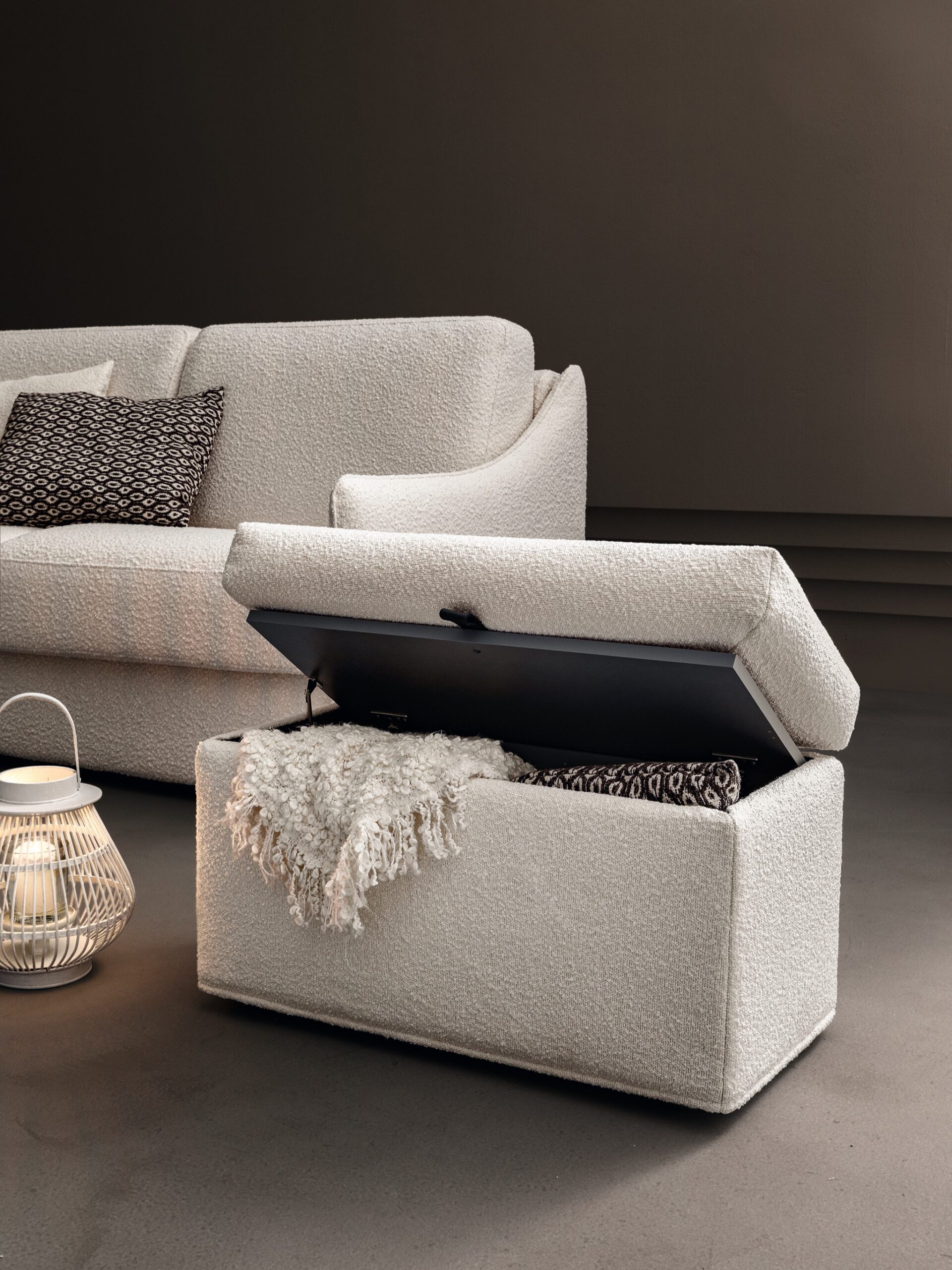
- Collezione Metamorfosi – Divano Domus con pouf contenitore
-
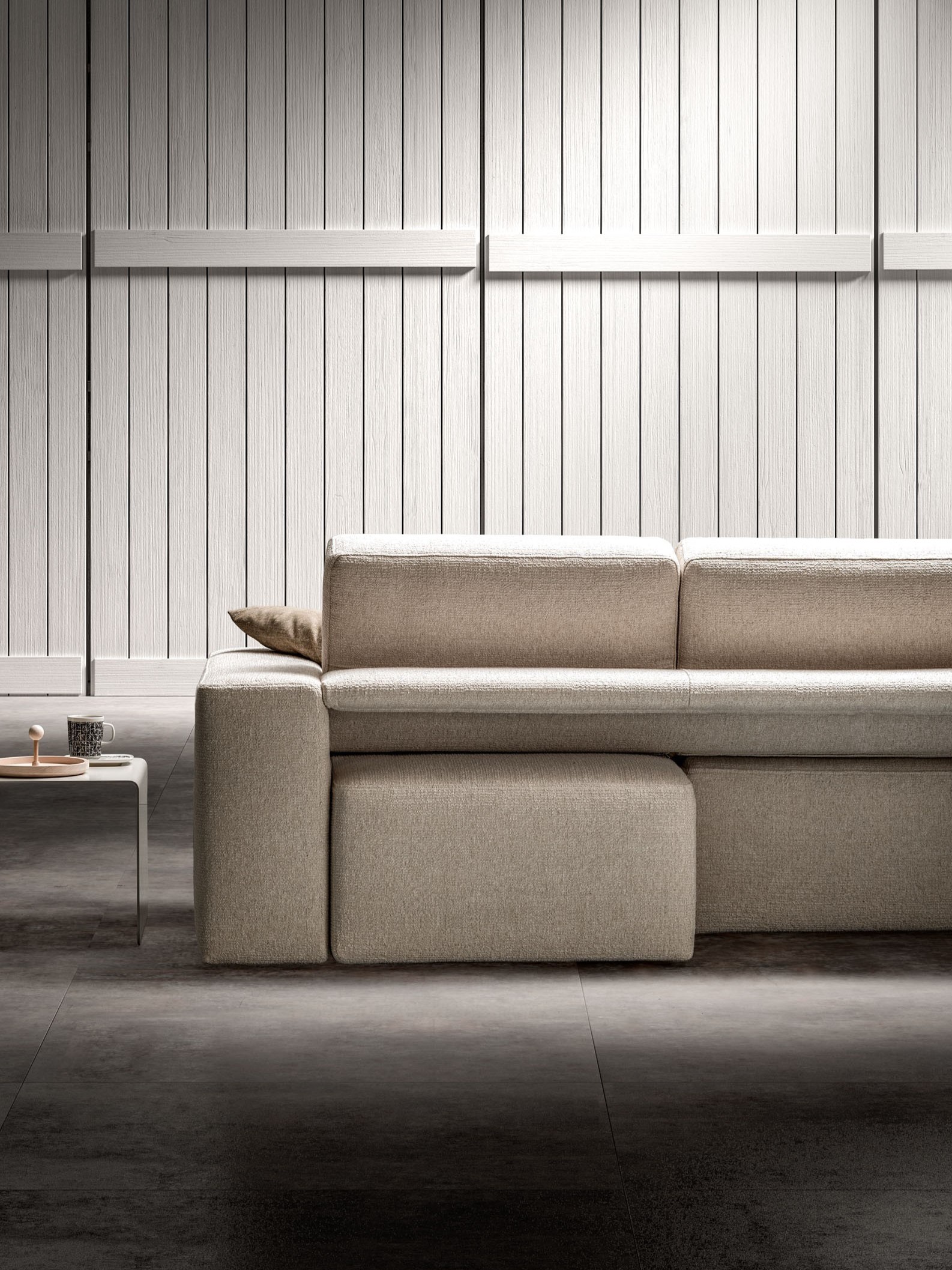
- Collezione
The colour palette for visibly expanding the space
- Basic colours (walls and ceiling): bright white, warm white, very light grey, light beige.
- Secondary colours (fabrics and accessories): powder blue, sage, antique pink, ochre, terracotta, black in small doses.
Light colours reflect up to 80% of natural light, while dark colours absorb up to 90%, influencing the perception of the space.
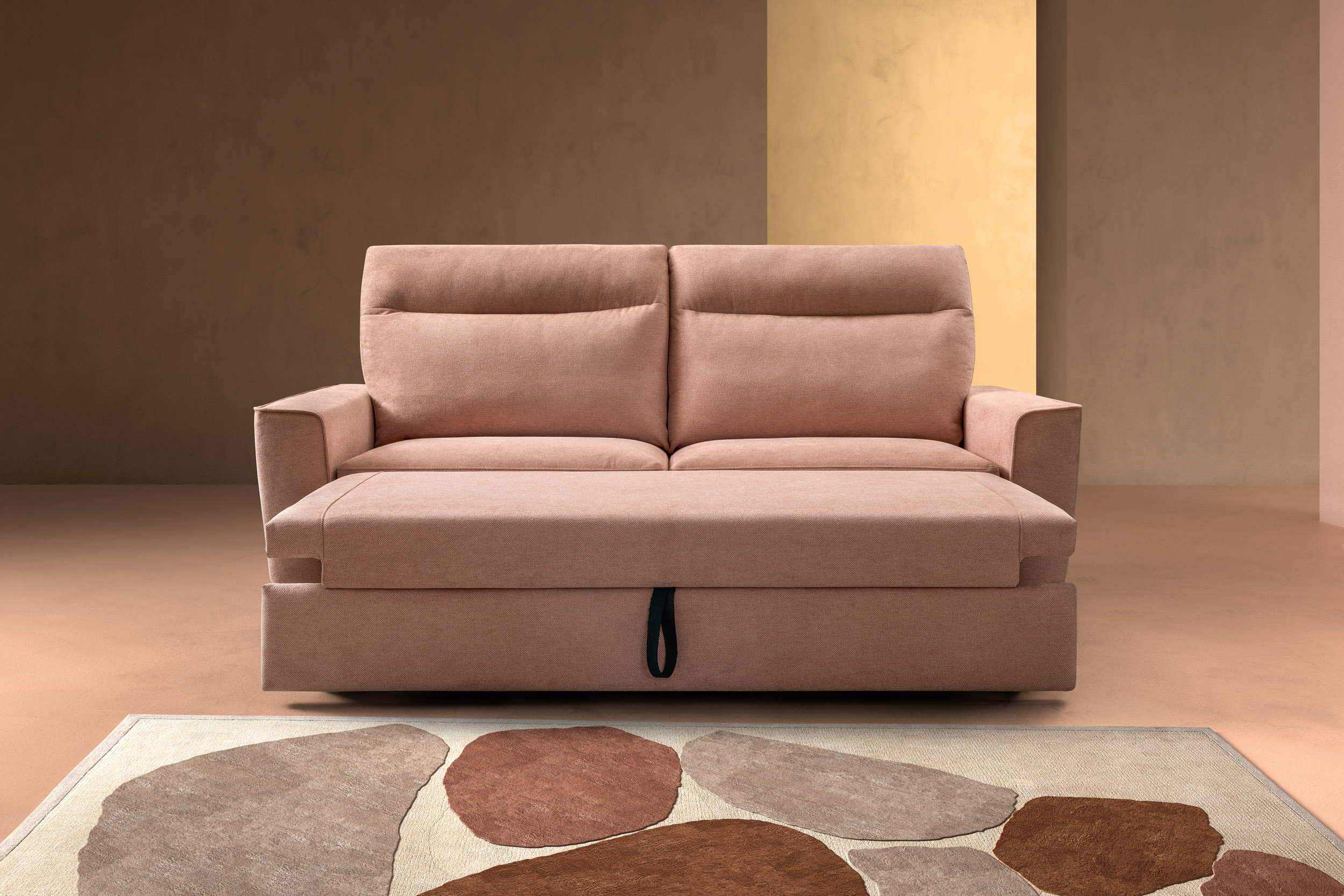
Relax Collection – Swing Slick model bed version.
Seven errors to avoid when furnishing small spaces
The most common errors compromise much of the potential of the space. Here are the 7 critical errors identified by interior designers:
- Choosing out of scale furniture: a three-seater sofa (over 220 cm) in a living room under 18 m2 dominates the environment and is out of proportion.
- Not using the full height of the room: not taking advantage of the vertical dimension means wasting part of the usable space. This is why we recommend fitting shelves and storage compartments of heights of up to 2.20 m.
- Blocking out light sources: positioning furniture in front of windows reduces the amount of light in rooms by 60%. Remember to always leave 30 cm of free space around windows.
- Using rugs that are too small: an undersized carpet visually breaks up the space. Basic rule of interior design: the rug must at least contain the front legs of the sofa and armchairs.
- Overdoing the decorations: “less is more”: more than 3-4 decorative elements per wall create visual chaos.
- Ignoring the colour of the ceiling: a white ceiling reflects light downwards, making the room significantly brighter. Coloured ceilings make rooms feel shorter in height.
- Not identifying focal points: a room without a visual hierarchy appears chaotic. We suggest creating a focal point (a work of art, a decorative mirror, an item of furniture) around which to develop the rest of the room.
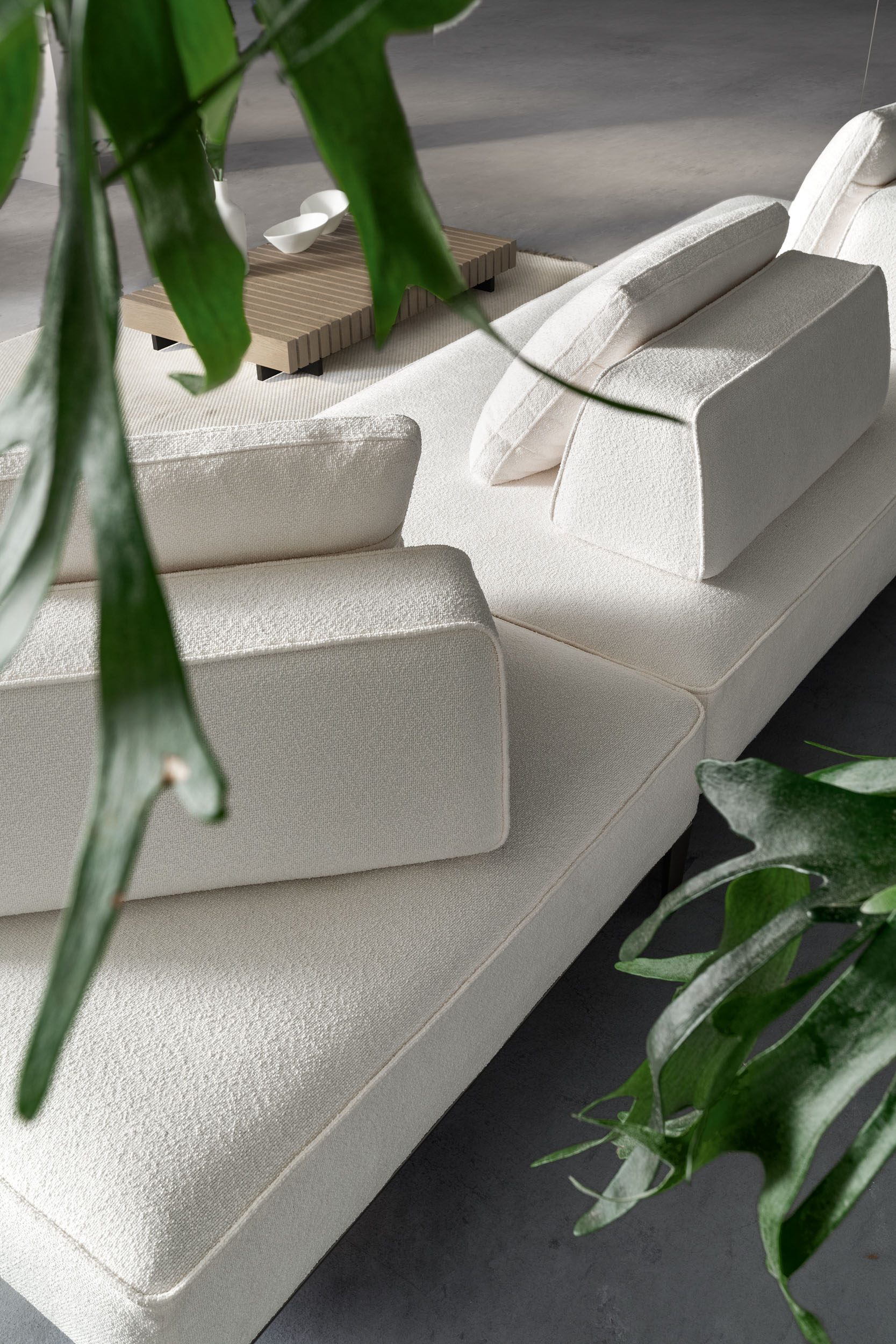
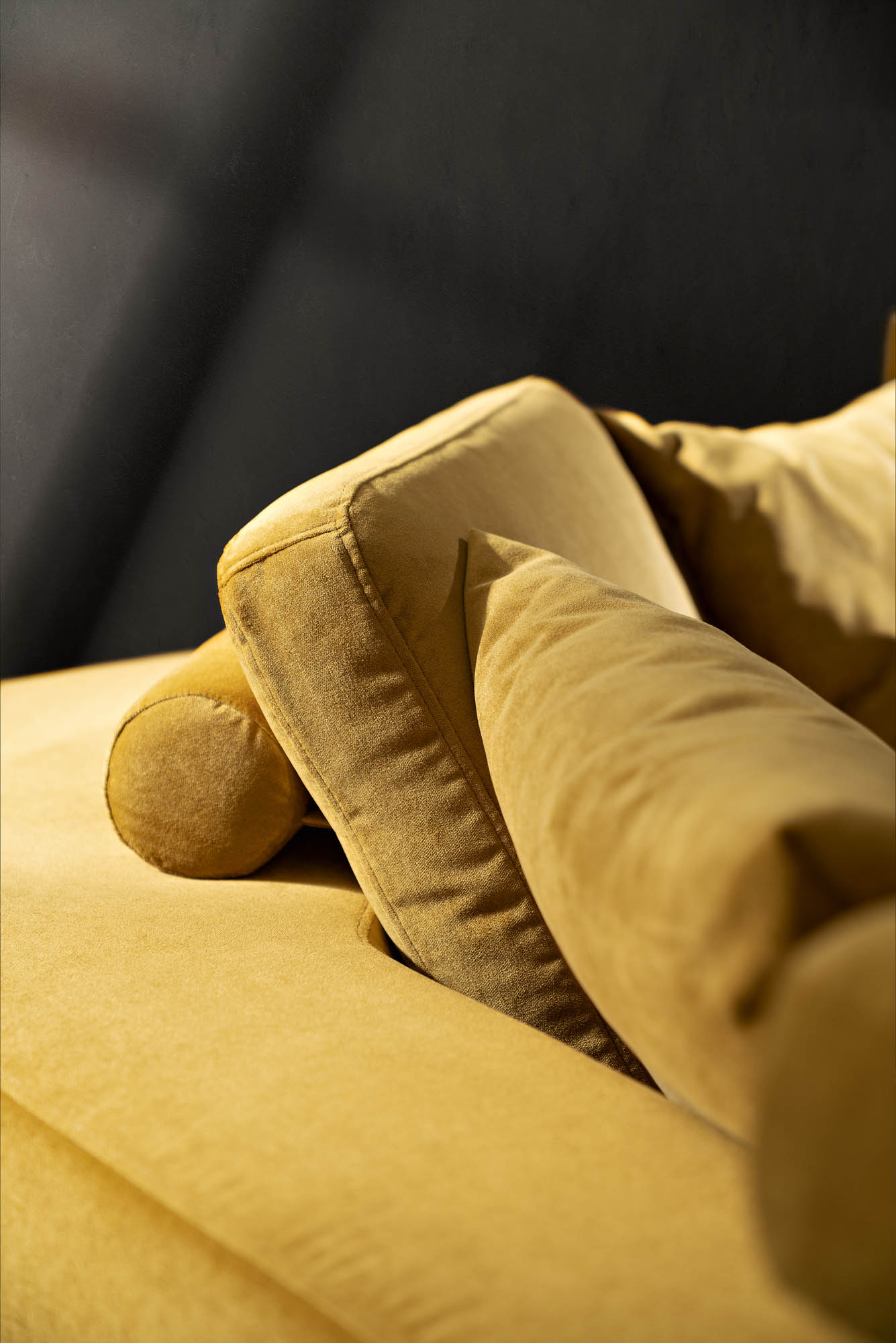
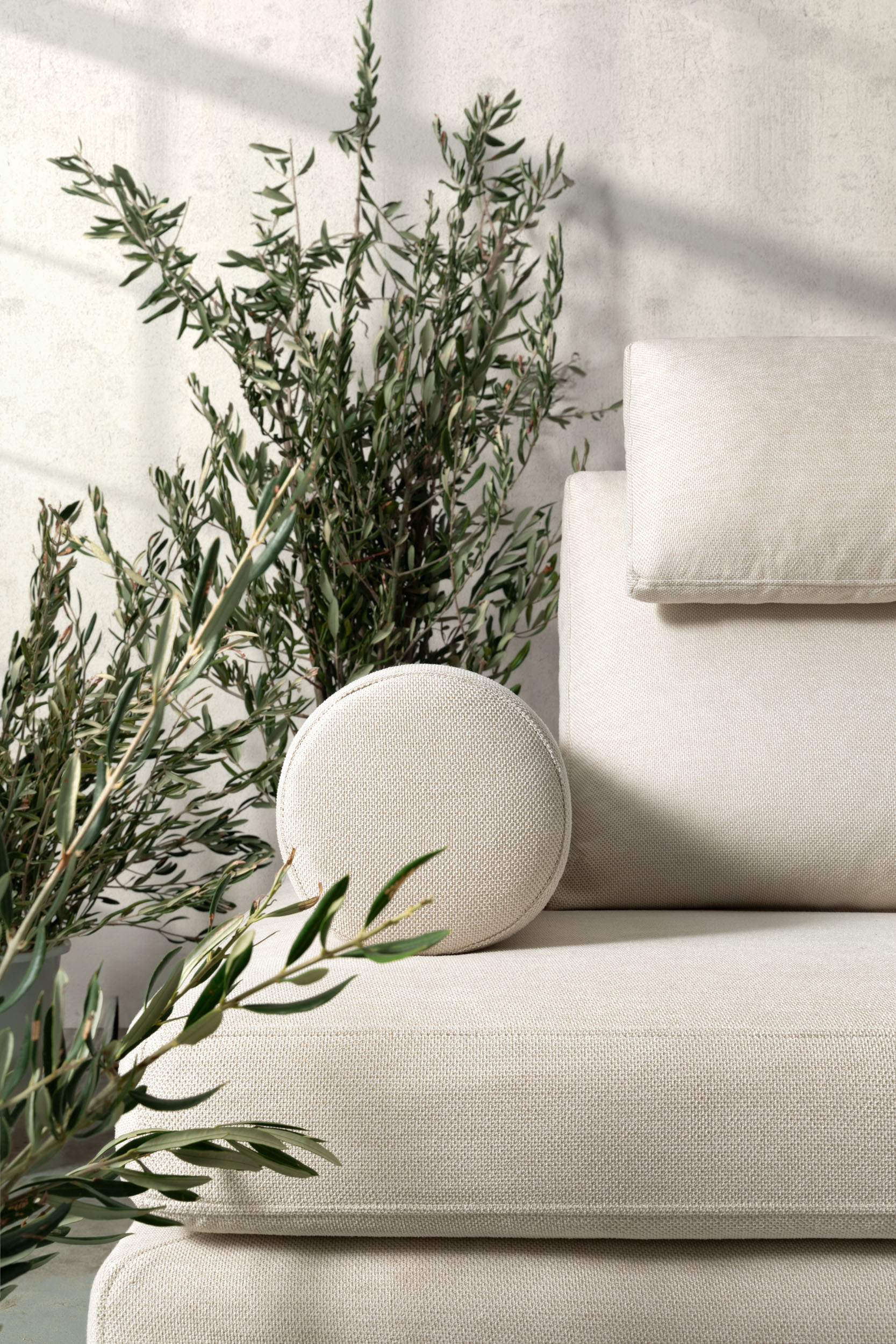
Plants, colours, fragrances: how to make a small room more welcoming
It isn’t the size of rooms that makes them more inviting, it is their attention to detail! And even a small room can be transformed into a comfortable little haven by following a few simple rules:
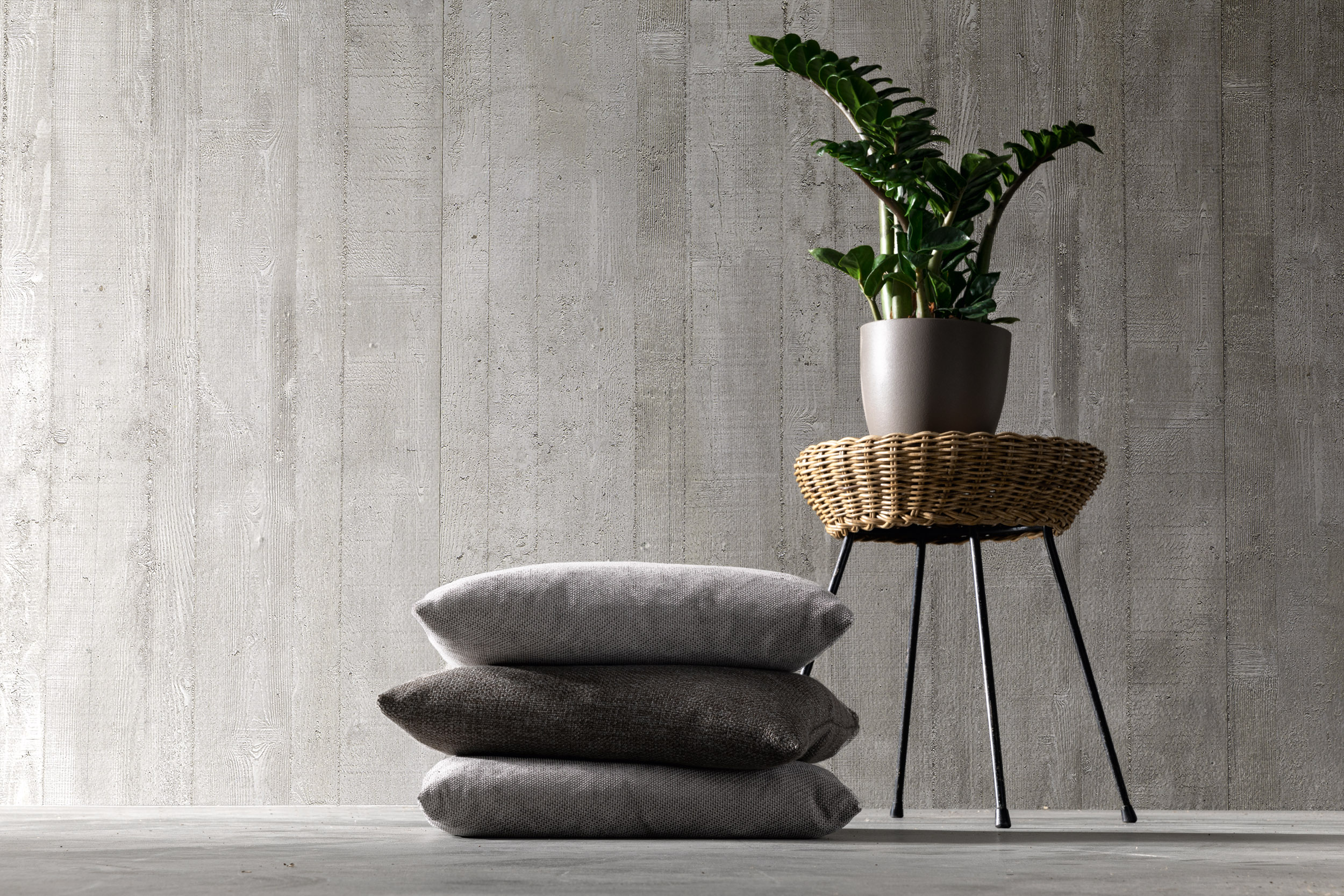
- Layered textures: combine 3-4 different textures (linen, velvet, wood, metal) to create a rich sensory tapestry. Cushions, throws and rugs add tactility without taking up space.
- Consistent colour temperature: ensure consistency between warm light (2700-3500K) and cool light (4000-5000K) based on the atmosphere you want to create. Mixing the two creates visual disharmony.
- Natural elements: plants in 20-30 cm pots (like Pothos, Sansevieria, Fig) add vitality and improve the quality of the air.
- Home fragrances: smell is the sense most closely associated with our emotional memory. Choose scented diffusers or candles to make your space unique.
- Visual personalisation: 2-3 personal items (photos, travel souvenirs, artworks) say who you are and help you add personality to the space.
Furnishing a small room: the Samoa solutions
Furnishing a small room is a strategic exercise: planning, choice of multifunctional elements and suitable colours can turn even a few square metres into a functional and elegant space.
- What is the key furniture for a small room?
Multipurpose furniture like convertible sofas, folding tables and vertical storage compartments allow you to save space without sacrificing comfort. - What are the best sofas for reduced spaces?
Compact or sectional models with pull-out seats and storage compartments, like Comfy, Crisp, Best and Vanity, provide versatility and enable you to optimise the space. - How to choose colours that make the room seem bigger?
Light-coloured walls (bright white, light grey, beige) and pastel accessories reflect the light and make the space appear bigger. - How to take advantage of the height and vertical space of the room?
Wall shelves, floor-to-ceiling cabinets and bookcases of up to 2.20 m exploit the vertical space, adding functionality and softening the visual aesthetic.

Bedroom Portrait Collection – Quiet model with storage compartment
Arredare stanze piccole: le risposte Samoa
Arredare una stanza piccola è un esercizio strategico: pianificazione, scelta di elementi multifunzionali e colori adeguati trasformano anche pochi metri quadri in uno spazio funzionale ed elegante.
Quali sono i mobili indispensabili per una stanza piccola?
Mobili multifunzionali come divani trasformabili, tavoli pieghevoli e contenitori verticali permettono di recuperare spazio senza sacrificare comfort.
Quali divani sono adatti per spazi ridotti?
Modelli compatti o modulari con sedute estraibili e vani contenitore, come Comfy, Crisp, Best, Vanity, offrono versatilità e ottimizzazione dello spazio.
Come scegliere i colori per ampliare visivamente la stanza?
Pareti chiare (bianco ottico, grigio chiaro, beige) e accessori pastello riflettono la luce e aumentano la percezione di spazio.
Come valorizzare l’altezza e la verticalità?
Mensole sospese, armadi a tutta altezza e librerie fino a 2,20 m sfruttano lo spazio verticale, aumentando funzionalità e leggerezza visiva.